H2: minacce fisiche di fulmini improvvisi e picchi di sovra-tensione alle busbar DC distribuite
Nelle stazioni base di telecomunicazioni dispiegate nelle foreste pluviali del Sud America, nei corridoi dei monsoni del sud-est asiatico, o nelle zone costiere del Medio Oriente,Le improvvise tempeste di fulmini rappresentano il principale catalizzatore per i blackout delle infrastrutture di telecomunicazione. i pannelli fotovoltaici (PV) esterni esposti sono dotati di lunghi cavi a campo esposto,rendendoli altamente sensibili all'accoppiamento di diversi kilovolts di sovra-tensioni transitorie e correnti di sovratensione intense mediante induzione elettromagnetica.
Quando queste catastrofiche elevate tensioni transitorie si propagano lungo il cablaggio DC, any lack of wide dynamic input voltage resilience within the connected solar charging or rectification modules will cause the high-frequency power switches (MOSFETs/IGBTs) to instantly experience avalanche breakdownAncora più distruttivo è la tendenza di questi impulsi ad alta tensione a spingere direttamente nella barra di distribuzione a valle -48VDC.Questo causa un guasto elettrico secondario tra i ricevitori radio wireless ad alta sensibilitàIn seguito a incidenti di fulmine, le tradizionali centrali elettriche a corrente continua tradizionali subiscono spesso esaurimenti di più componenti,bloccare le reti periferiche in prolungate interruzioni di corrente in tutto il sito.
H2: Guida tecnica per l'approvvigionamento di sistemi a ampio ingresso 85-420 VDC rinforzati e rettifica a più fasi
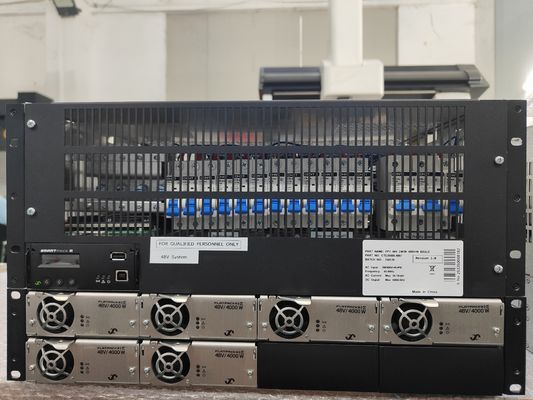
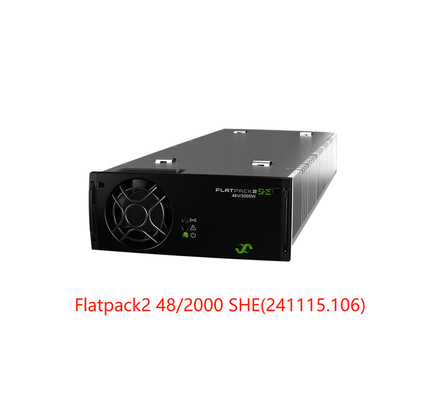
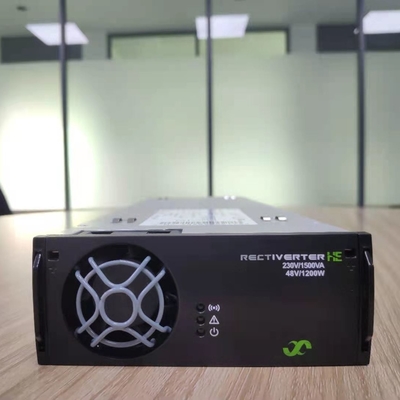
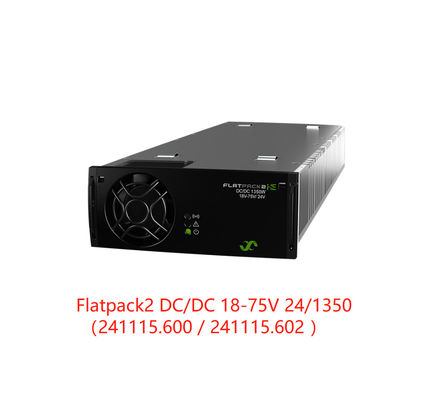
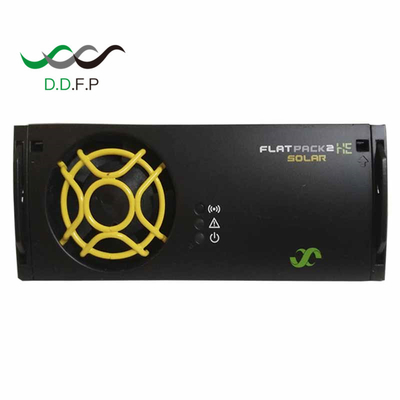
Per superare i rischi sistemici di sicurezza elettrica nelle zone a forte fulmine,I responsabili degli appalti B2B che valutano i sistemi di energia ibrida fotovoltaica fuori rete devono dare la priorità alle "barriere fisiche alle sovratensioni" e alle "larghe tensioni di ingresso dinamiche" come metriche architettoniche non negoziabiliLe configurazioni integrate di alimentazione a corrente continua progettate attorno alla topologia solare Flatpack2 48/3200 HE forniscono le linee di base tecniche parametrizzate esatte necessarie per la distribuzione industriale:
H3: 1. alimentazione a corrente continua ultra-larghe e a corrente attiva da 85 a 420 VDC
- Resilienza dinamica estrema al sovra-voltaggio: I moduli di ricarica del sistema centrale devono gestire in modo nativo una finestra operativa DC estesa da 85 VDC a 420 VDC.Durante lampeggiamenti fotovoltaici indotti da fulmini o abbassamenti transitori erratici di sotto tensione, i circuiti interni integrati multi-stadio di protezione contro la sovra-tensione (OVP) impediscono la rottura di valanghe all'interno dei semiconduttori interni.
- Intervallo di levigamento della potenza MPPT preciso: Attraverso la finestra MPPT (Maximum Power Point Tracking) da 100 VDC a 380 VDC del nucleo, la limitazione della tensione dinamica attiva e la tenuta della corrente di ingresso massima di 20 ADC funzionano continuamente.Anche quando le tensioni esterne aumentano istantaneamente, il sistema blocca i fattori di cresta di corrente in nanosecondi, mantenendo una uscita ininterrotta e incontaminata di -48VDC alle batterie e ai carichi critici.
H3: Dispositivi di protezione contro le sovratensioni e isolamento termico severo di livello hardware di tipo 2
- Dispositivi integrati di tipo 2 a corrente continua:Le specifiche tecniche per l'approvvigionamento devono includere dispositivi di protezione contro le sovratensioni in continuo di tipo 2 (DC SPD) di elevata specificità.Le loro metriche di corrente di scarica massima (Imax) e livello di protezione della tensione (Up) devono essere completamente allineate con rigorosi standard di fulmine di livello portatore, sanguinando in modo sicuro le correnti di sovratensione innescate dall'aumento del potenziale di terra in nanosecondi.
- Isolamento fisico del circuito tramite D-Frame e DIN Rail Architecture: per il pannello di distribuzione della batteria sono necessari interruttori di tipo plug-in D-frame per uso pesante,con un diametro di 20 mm o più ma non superiore a 30 mm,Questa architettura mantiene le sue rigide curve di spostamento in una finestra di temperatura da -40°C a +55°C, eliminando con successo i spostamenti fastidiosi causati dall'invecchiamento del materiale e dalla stanchezza termica.
H2: Avvisi di diagnosi degli eventi e di topologia tramite i moduli di controllo Smartpack2
Nella gestione degli asset di protezione da fulmini ad alta affidabilità, le configurazioni fisiche passive di hardware da sole possono affrontare solo gli impatti di un'unica ondata; mantenendo a lungo termine,Disponibilità del nodo in tutto il sito dipende dal livello di controllo digitale per la registrazione degli eventi e la diagnosi della salute.
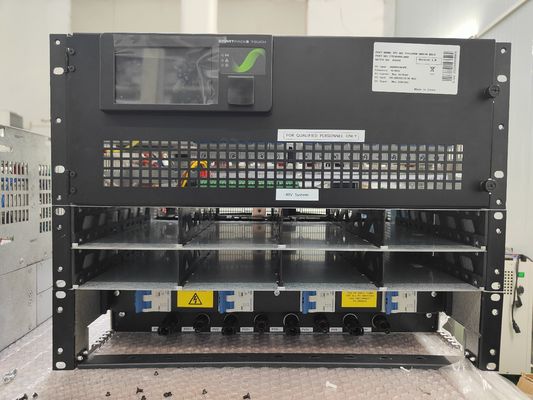
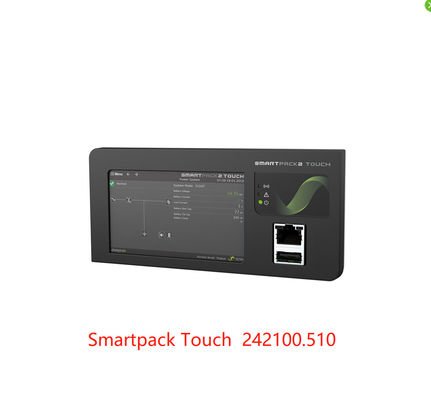
The Smartpack2 Touch controller embedded within this integrated 5U power solution works alongside Basic and Type 2 I/O monitoring hardware to build an all-weather safety monitoring matrix over native Ethernet linksIl software di monitoraggio cattura la telemetria a livello di millisecondi, monitorando le sottili deviazioni di tensione del busbar di corrente continua e il degrado dello stato in tempo reale degli SPD di tipo 2 a corrente continua.Gli ingegneri delle infrastrutture a distanza che accedono al sistema utilizzando qualsiasi browser web standard possono accedere a grafici di tracciamento dettagliati che descrivono gli impatti storici delle ondate di alta tensioneProcessando questo set di dati sulla qualità dell'energia attraverso una logica intelligente di previsione del guasto,I gestori di rete possono orchestrare sostituzioni di protettori intercambiabili a caldo settimane prima che un componente raggiunga la saturazione di assorbimento, riducendo i tassi di guasto delle apparecchiature nei campi di fulmine a zero assoluto.


 Il tuo messaggio deve contenere da 20 a 3000 caratteri!